


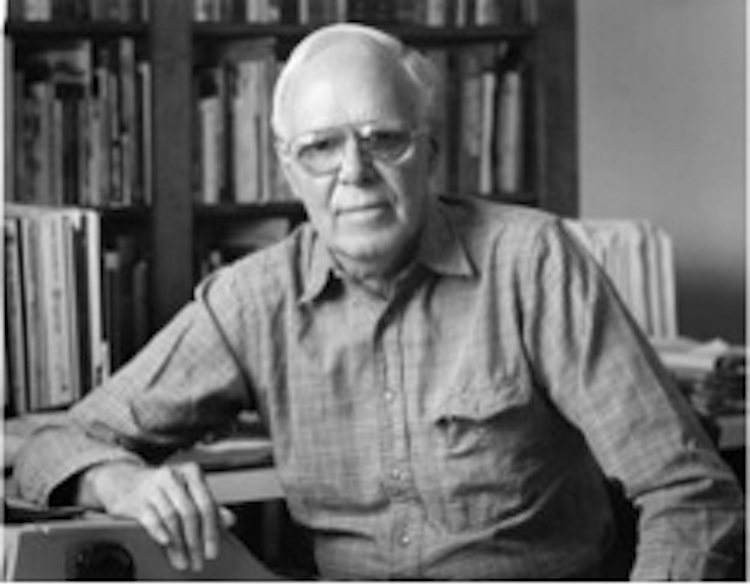
Martin Gardner was the oldest of three children and grew up in Tulsa, Oklahoma. Martin Gardner became interested in puzzles at a young age — since the day his father gave him a copy of Sam Loyd’s Cyclopedia of Puzzles, in fact. But Gardner was interested in many things: not just mathematical puzzles, but also literature, philosophy, and religion. He spent much of his life writing about “recreational” math, mathematical games and puzzles that can be studied without formal training. For many years he wrote about “Mathematical Games” in the journal Scientific American. He published more than seventy books about mathematics and other subjects, such as literature — and sometimes both at the same time. (He was a big fan of the playful mathematical logic in Alice in Wonderland — author Lewis Carroll was also considered a recreational mathematician, along with author Henry Dudeny, mathematician John Horton Conway, and many others.) His work has made him the most famous recreational mathematician of our time.
Martin Gardner contributed the original concept for Sixth Sense.

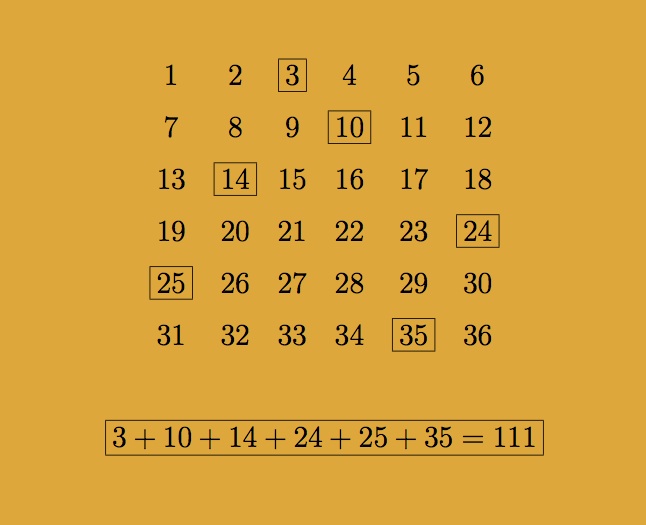
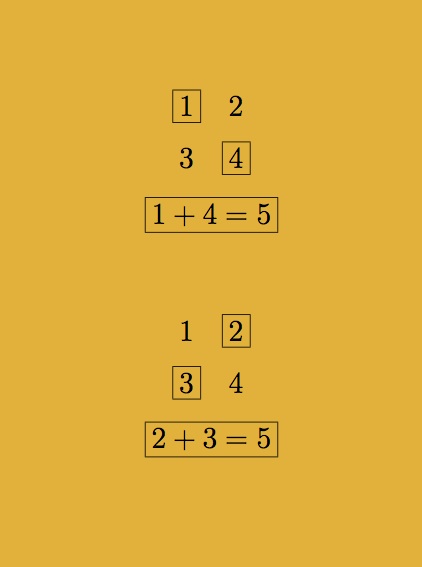
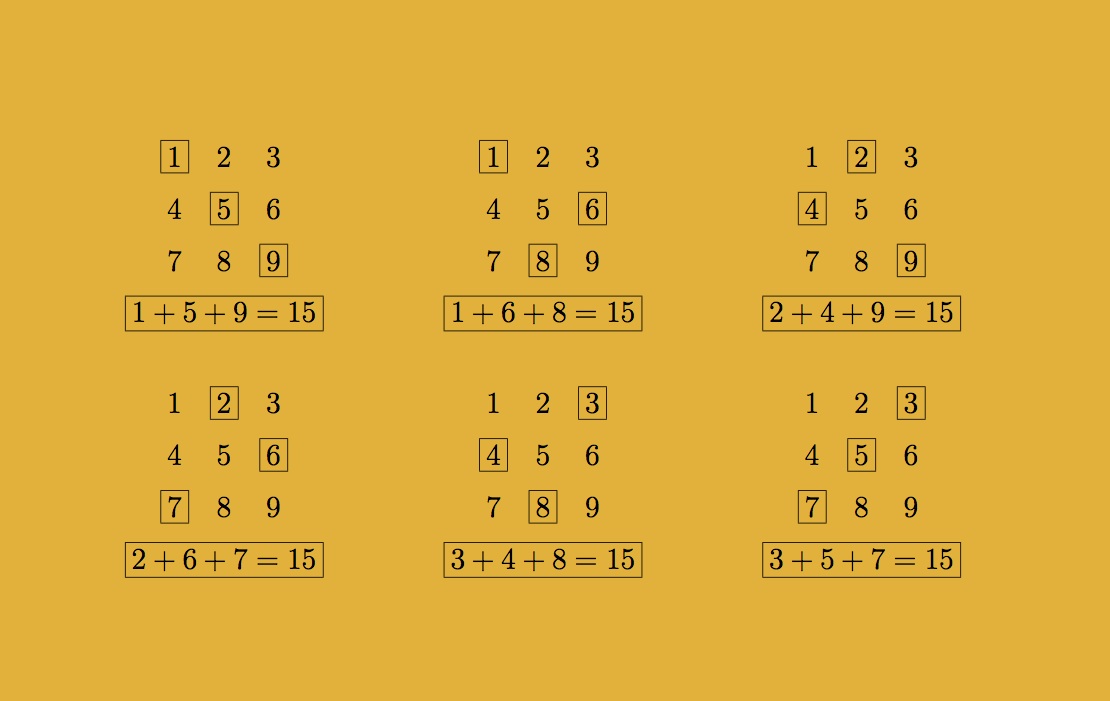
Mathematician Joséphine Guidy Wandja was born in the Ivory Coast. She studied in Paris with the likes of René Thom and Henri Cartan before returning to her native country to take up a professorship in the University of Abidjan. She would surely have figured out how this machine predicts the answer of your calculation without even trying — can you?

John Robert Hendricks was a recreational mathematician, meaning he worked with mathematical puzzles and games and other such fields that do not require rigorous formal training. Hendricks was especially interested in magic squares (see More Math) and the properties of numbers in certain arrangements. He started collecting magic squares when he was only thirteen years old. After he graduated from the University of British Columbia in 1951 with a degree in math, he went on to describe different types of magic squares that were previously undiscovered!

Kx Systems provided support that made Sixth Sense possible. Kx offers a unified approach to real-time and historical data analysis with its high-performance kdb+ database platform. kdb+ provides a portable 64-bit implementation of our expressive query and programming language to analyze and store streaming events, manipulate in-memory and on-disk databases, and build distributed low-latency applications. Our focus is on delivering the best performance and flexibility for high-volume, data-intensive analytics and applications. We built the technology. You build your business. For more information visit http://kx.com.