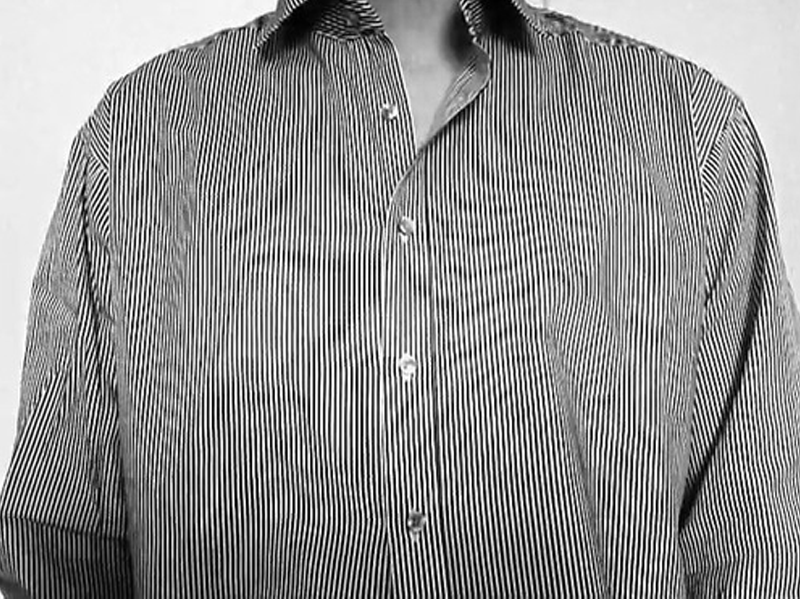

Putting one pattern of closely spaced lines, curves, or dots on top of another can create a new pattern called a moiré pattern. In some places, the clear area from one pattern will line up with the clear area from the other, letting light shine through. In other places, the clear area from one pattern will be blocked by a dark area from the other. The picture you see on the screen is an example of a moiré pattern.
Often, if you move one pattern over another, the moiré pattern they create seems to shimmer.
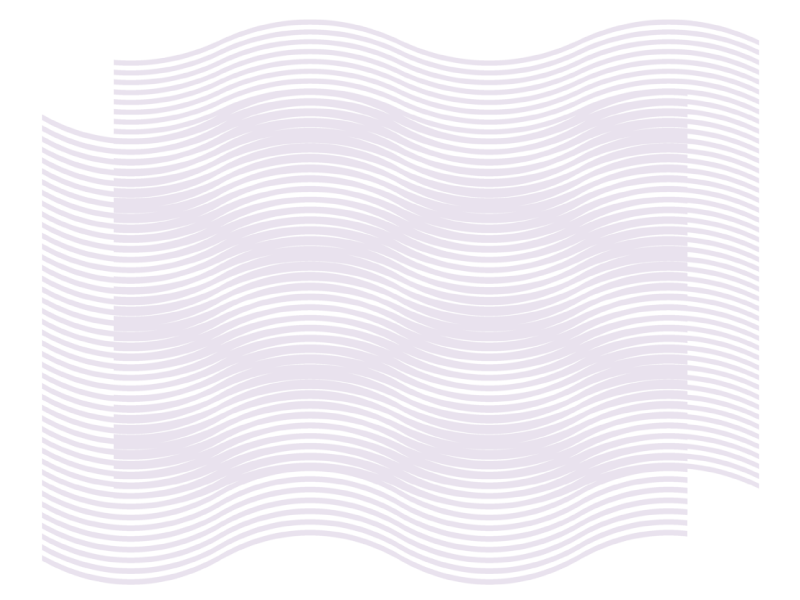
The relationship between the original patterns and the moiré patterns they create often isn’t simple. In fact, they can be very surprising! For example, moiré patterns fromed from concentric circles can produce patterns of parallel lines, ellipses, or hyperbolas. Moiré patterns formed by two sets of radial straight lines can produce circles!
What surprising moiré patterns can you create with the grids at Pattern Mesh?
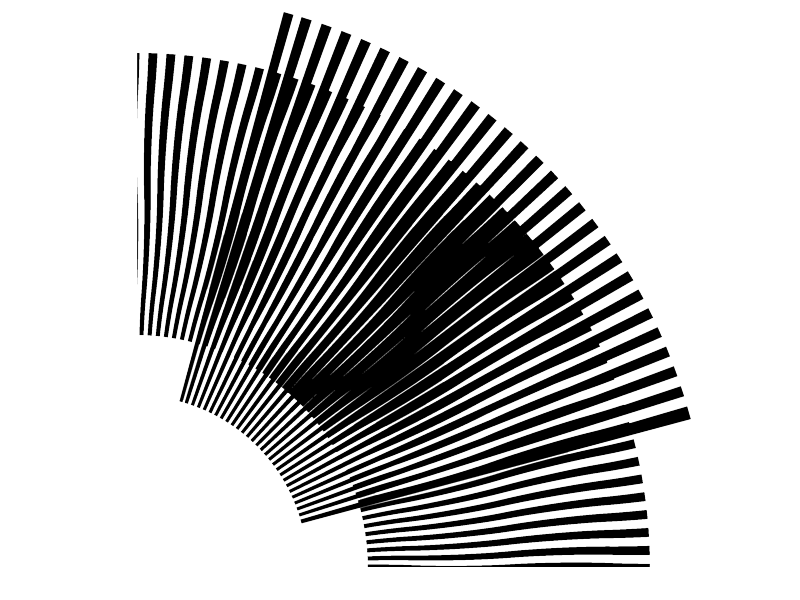
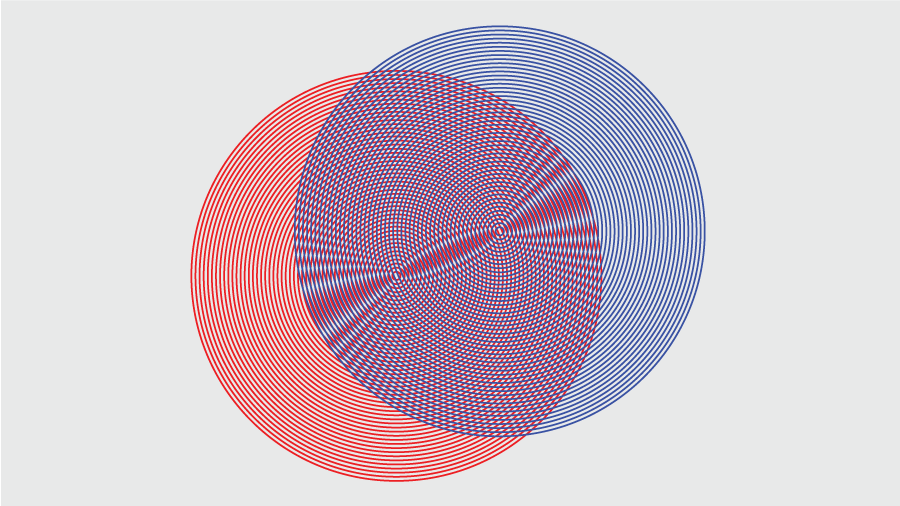
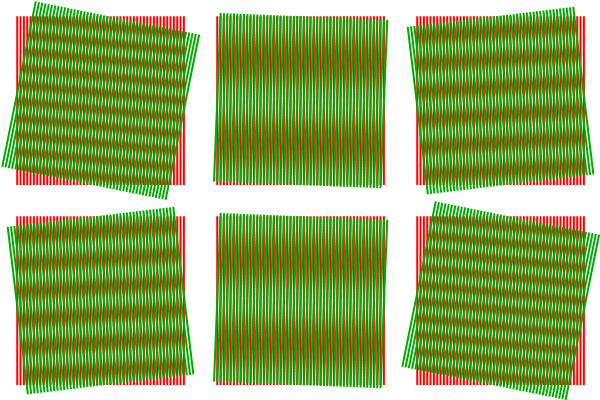
This is a moiré pattern created with layers of parallel lines.
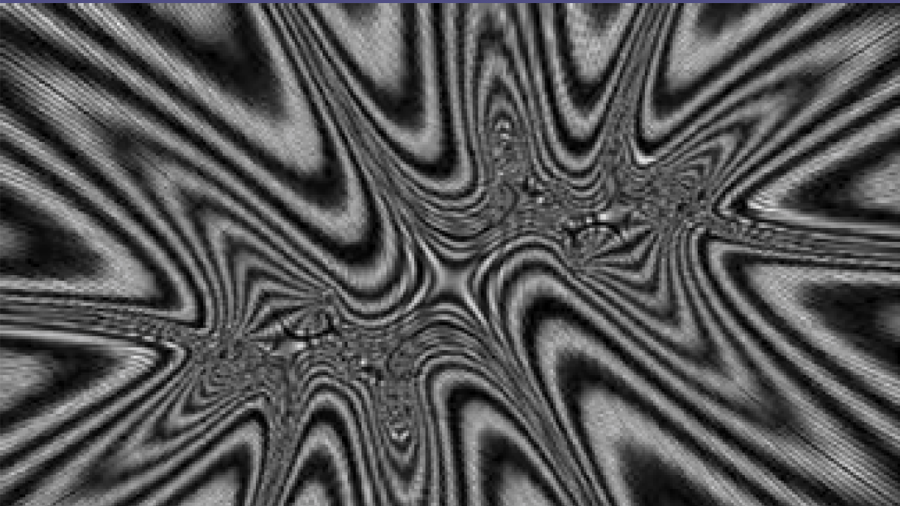
More complicated shape moiré or band moiré patterns can be made from images with curved or skew lines, or with shapes embedded in the layers.
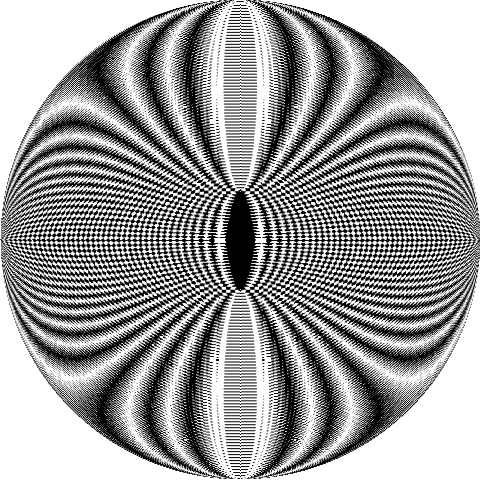
Here’s another beautiful moiré pattern.
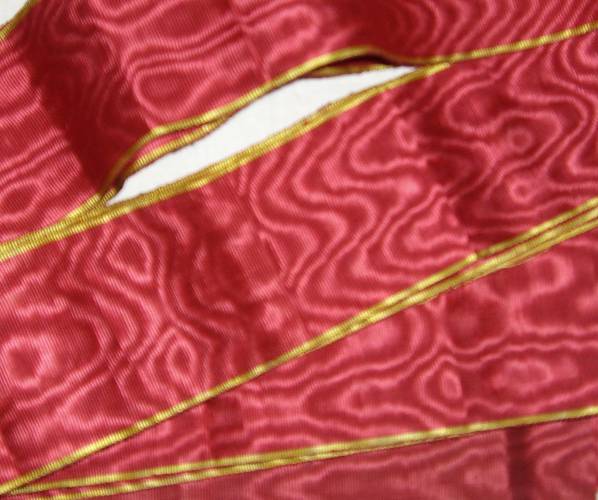
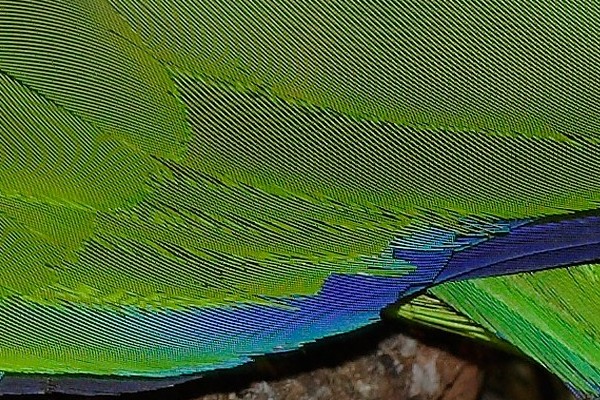
Strong moiré patterns are visible in the fine detail of a parrot’s feathers. This image is enhanced with some sharpening.
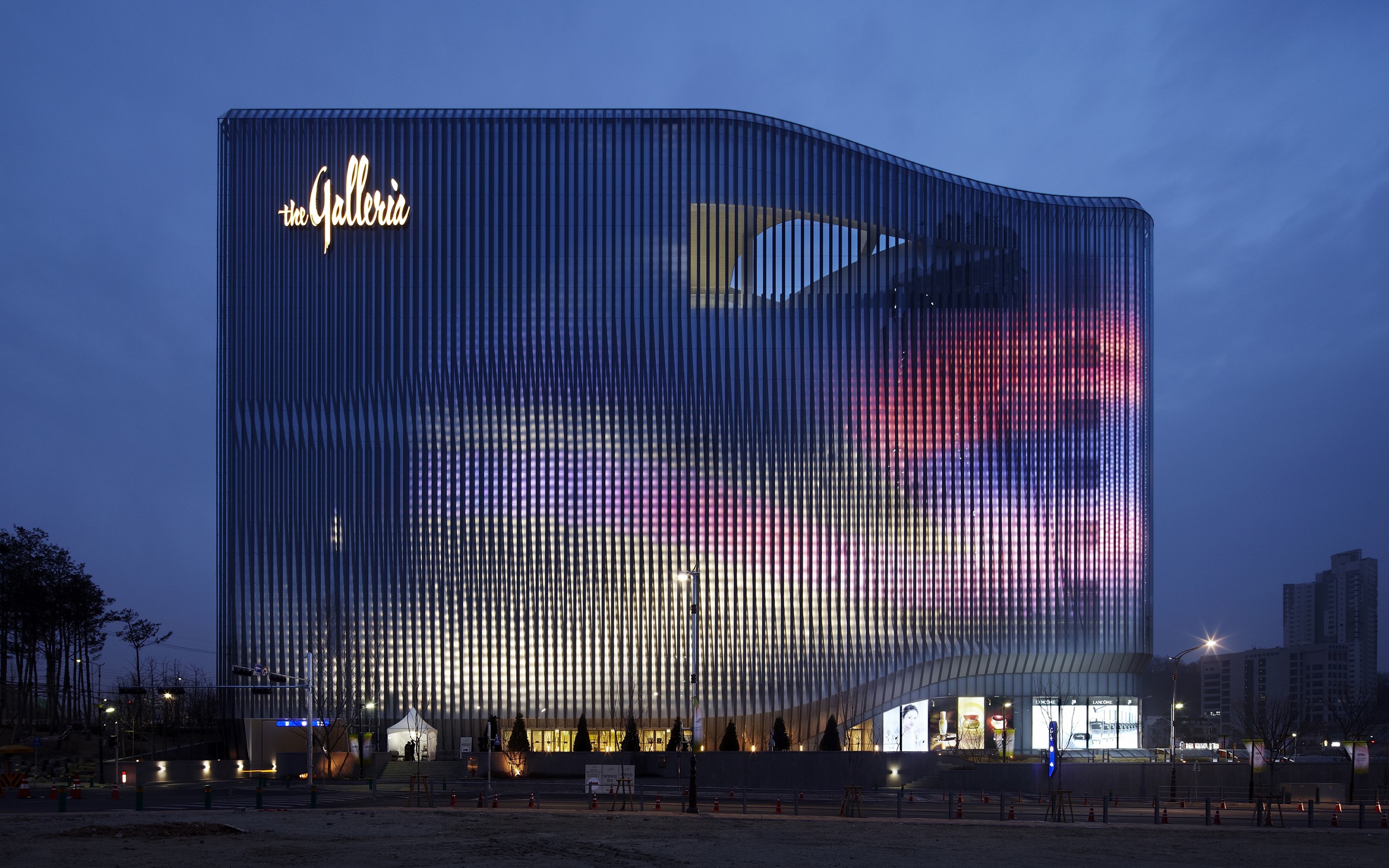
Moiré patterns can be used as a design element. This building, designed by UNStudio in Taiwan, is a great example.
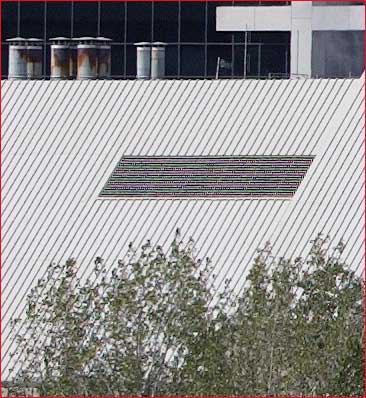
Can you find the moiré pattern? The Canon 1Ds that took this picture, like all digital cameras, suffers from moiré at certain resolutions.
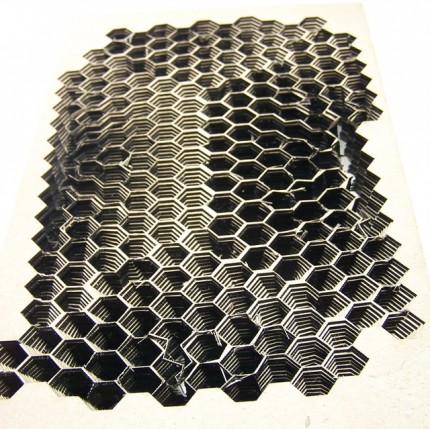
This sculpture by artists Patricio Andrade and William Ruffenach plays with moiré as a design element.
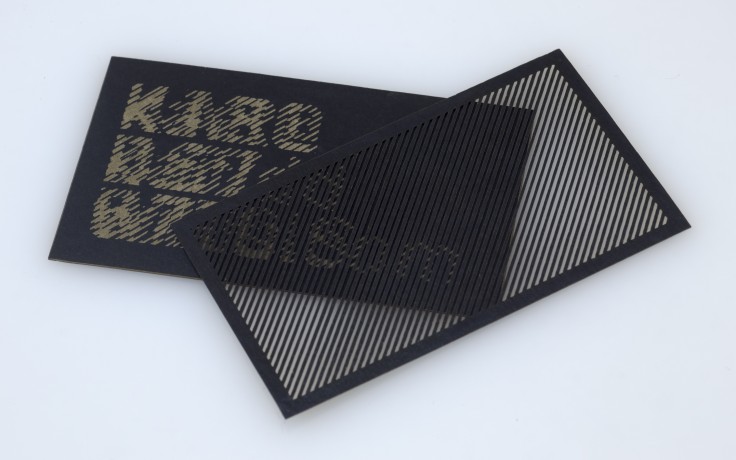
Graphic artists use moiré patterns in all kinds of places. Some even use the idea on business cards! When you lay the diagonal lined screen over the card, different bits of information are revealed in a moiré pattern.
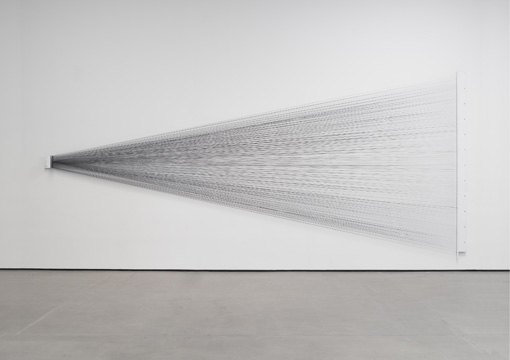
“Moiré tape,” an installation by Carsten Nicolai, consists of two radial gratings of lines superimposed onto each other on the wall of a gallery.
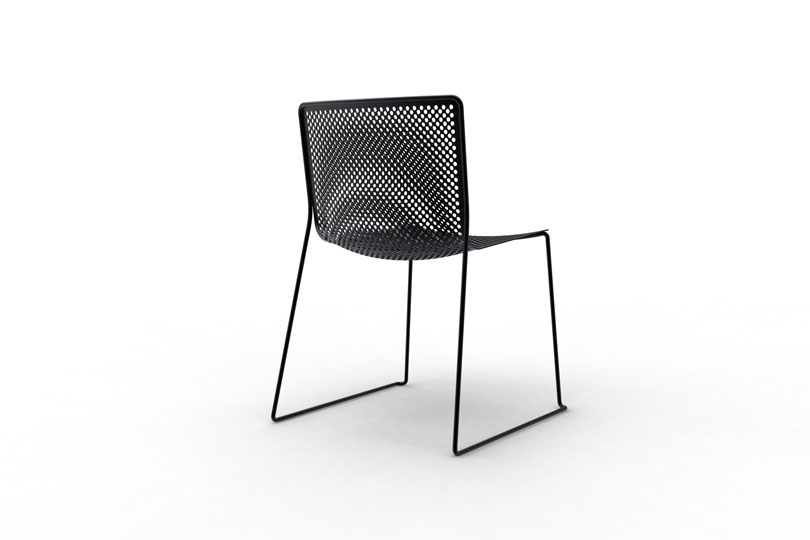
Moiré patterns make a surprising and unintentional appearance on the back of this chair.
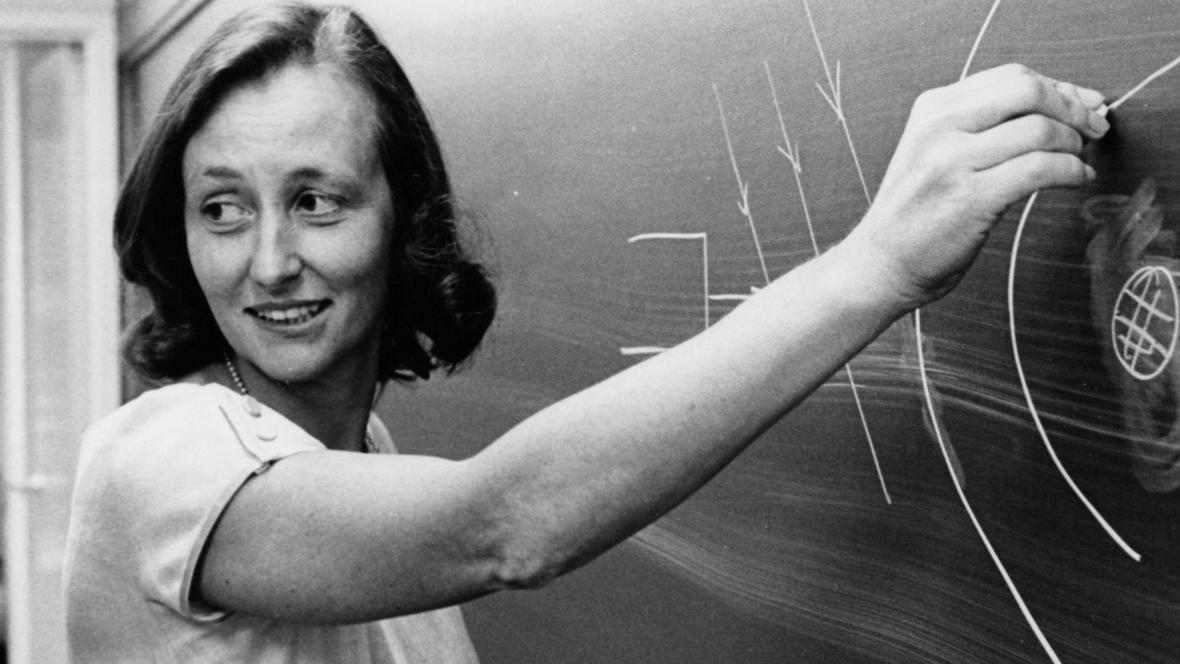
The patterns seen here would have delighted Canadian mathematician Cathleen Morawetz (1923 – 2017), whose distinguished career included being a member of the US National Academy of Sciences and receiving the National Medal of Science. The patterns she found in her research allowed progress on important problems in partial differential equations, viscosity, compressible fluids and transonic flows.

Moiré patterns often show up in photography and filming – sometimes by accident. A pattern on an object being filmed can cause surprising effects when superimposed on the pattern of the grid of sensors in a camera. For this reason, people are advised not to wear clothes with a checkered pattern for TV interviews.
An early form of animation from the nineteenth century used moiré to show movement.
Computer screens often house moiré patterns, too. Sometimes, the pattern of phosphor dots or stripes on a screen used to illuminate pixels can be slightly out of alignment with the placement of the pixels themselves. (Try pressing your finger up to an older computer screen. This changes the misalignments and “moves” the ripples you see.)
Moiré patterns can also occur in printing pictures where half-tone grids of tightly spaced dots are used. Often, scanners that digitize such prints provide a filter to “descreen” the moiré effect that can occur. In fact, many currencies include fine wavy lines that will exhibit moiré patterns when scanned and printed, as an anti-counterfeiting measure.
Because moiré patterns appear in visually striking manners with the slightest of misalignments of patterns, engineers use them to detect changes that might occur on equipment due to stress and strain. One can also test the flatness of a surface with moiré patterns.