
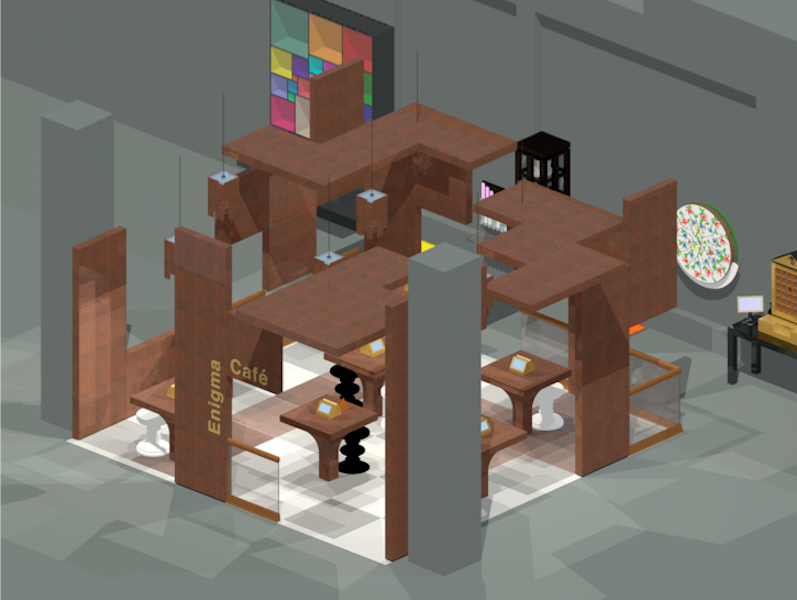
This room has a collection of classic math puzzles. Take a seat and have fun solving some.
A domino is two stuck-together squares. There is only one possible shape for a domino. Pentominoes are extensions of dominos – they are tiles made up of 5 squares stuck together with matching sides, and no holes.
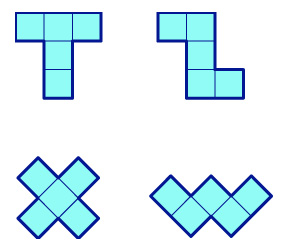
The picture shows four different pentominoes, called T, Z, X, W because of their shapes. But there are many more pentominoes. How many different shapes of pentominoes are there? Can you put together some pentominoes to make a rectangle? Can you make a different rectangle? Can you make a rectangle using exactly one full set of different shapes of pentominoes?
The kite and dart tiles can tessellate in many ways. The two fit together to make a perfect rhombus that can translate to fill the plane.
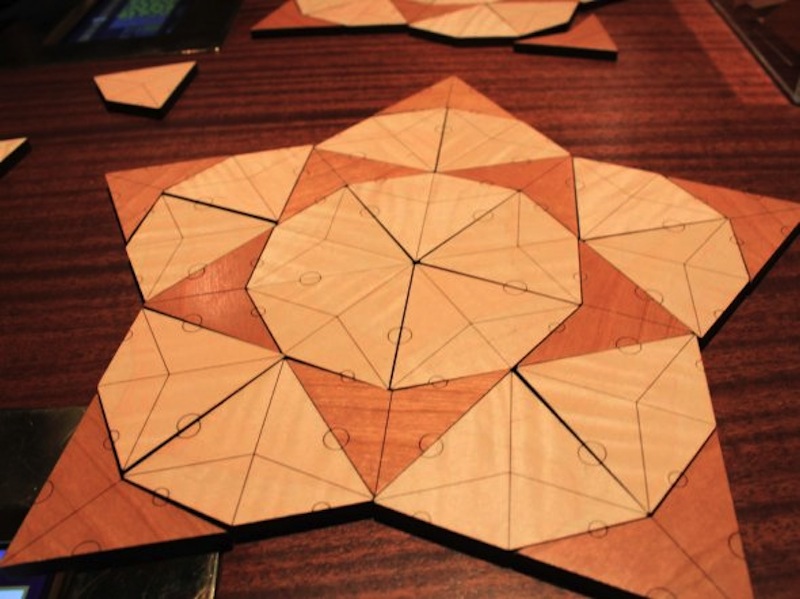
But did you notice the markings on the tiles? Try following the rule that markings must match when you put tiles together with matching edges. Put together some of the tiles so they make a vertex figure, corners touching, completely surrounding one point. The picture shows three vertex figures with kites and darts. Can you make a vertex figure with just darts? Just kites? If you follow the matching rules, there are only seven possible vertex figures. Can you find the others?
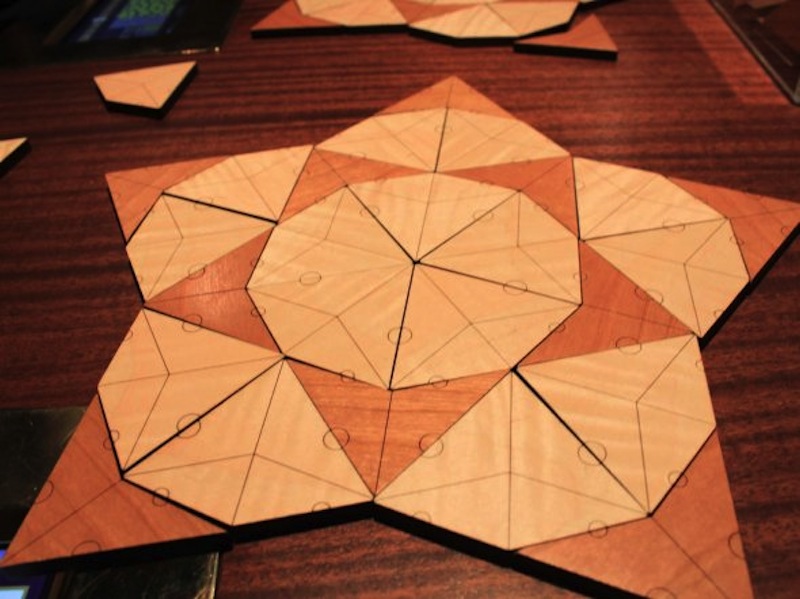
Once you have a vertex figure, you can add tiles by matching the markings on adjacent tile edges. Sometimes you will get a pretty big patch, and then get stuck–no piece will fit and match the markings. Back up and try again!
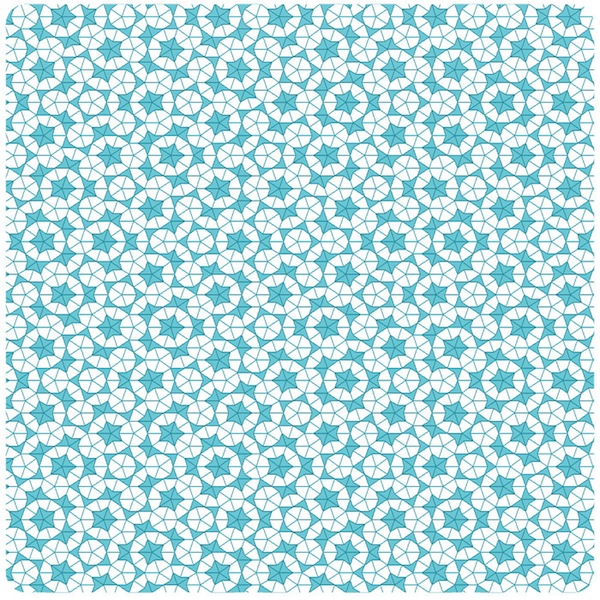
But if you can keep going, patches will repeat, but the tiling will have no translation symmetry–it is aperiodic. If you start with a vertex figure of all darts or all kites, you can make a tiling with 5-fold symmetry (see picture). Kite and dart aperiodic tilings are called Penrose tilings, after the mathematician who invented them.
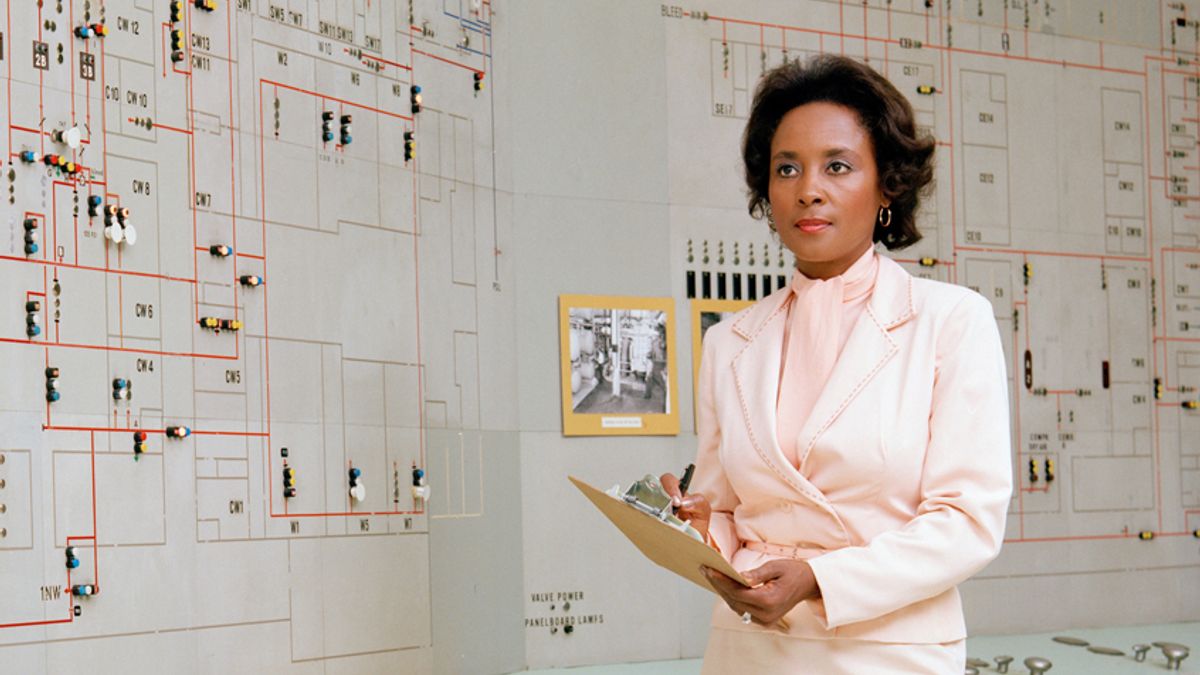
Mathematician Annie Easley (1933 – 2011) would have loved the puzzles in this café; a natural problem solver, she was a computer scientist and rocket engineer at NASA, where she studied renewable energy sources and batteries. She also wrote software for the Centaur rocket stage.
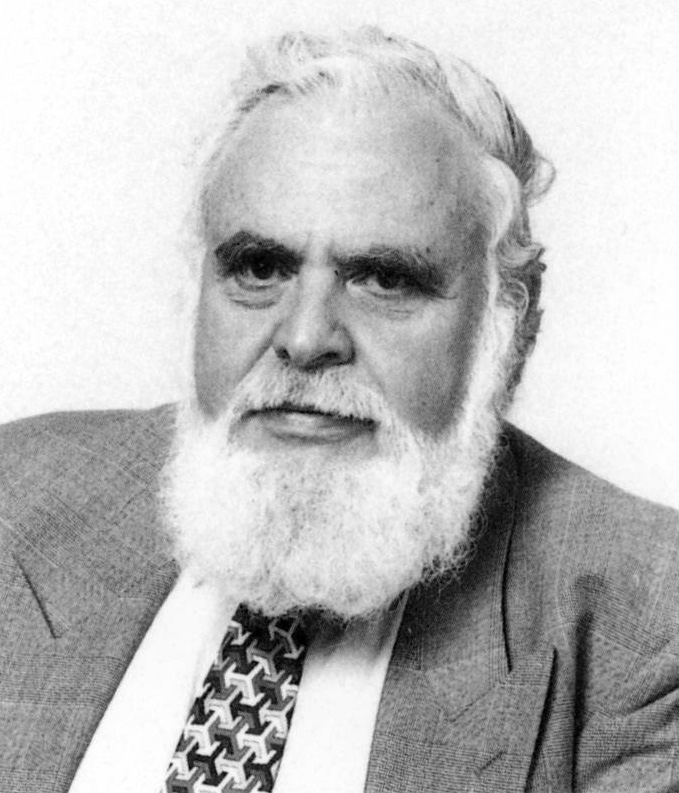
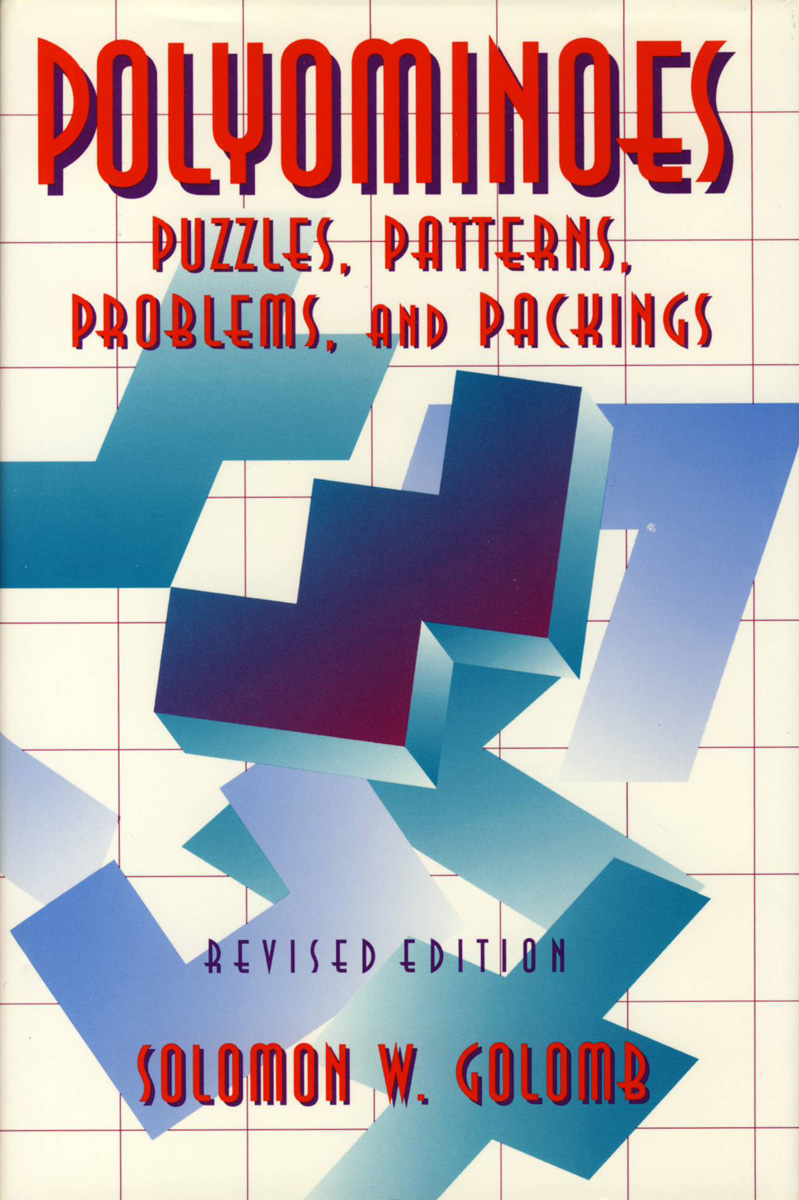
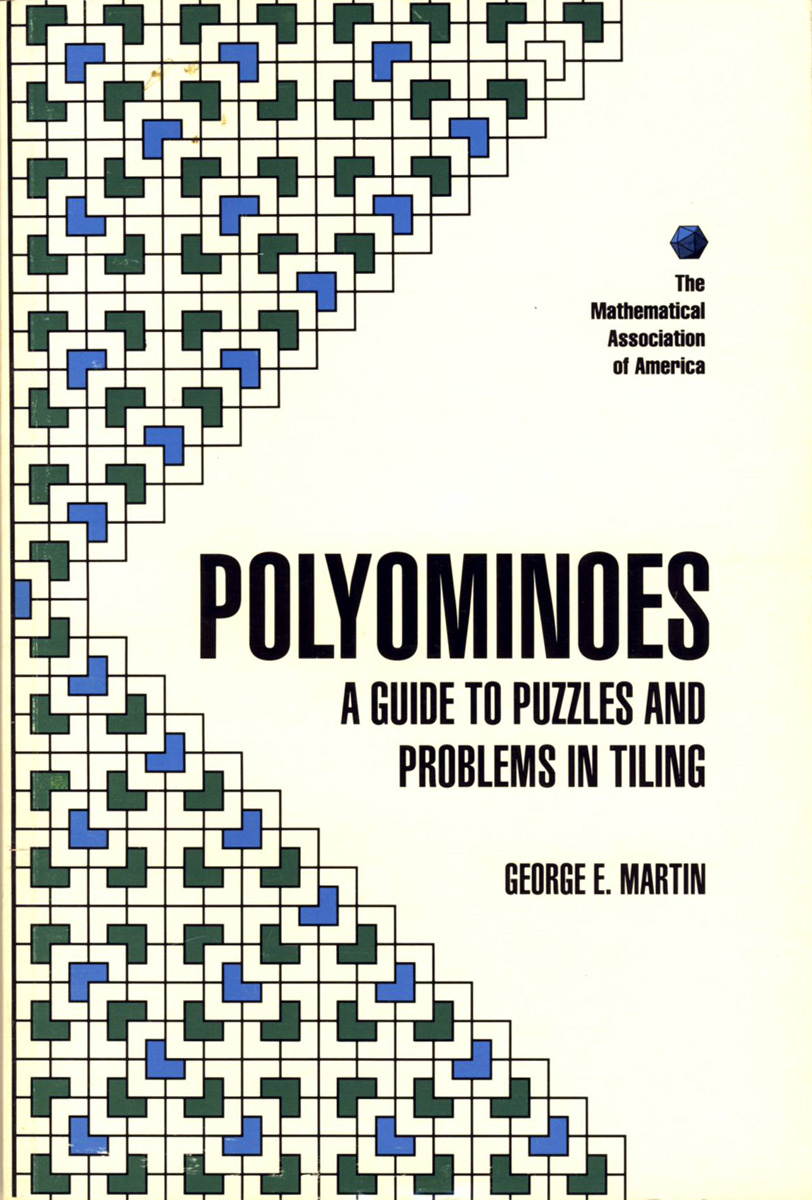
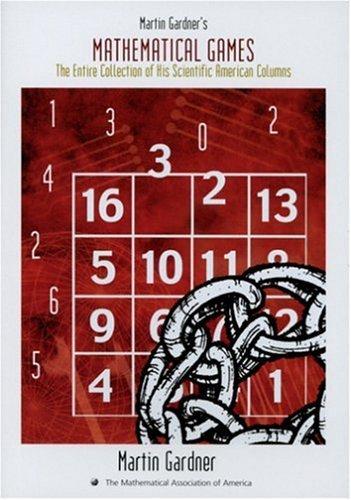
Solomon Golomb, professor at UCLA, is considered the “father” of polyominoes, the extension of dominos. His 1965 book about these tiles posed many problems and gained many puzzle enthusiasts, as well as sparked serious research. Martin Gardner popularized the tiles and their problems in his Scientific American column. Today, sets of pentominoes are found in toy stores, museum shops, and educational stores, and articles about polyomino problems continue to be published.
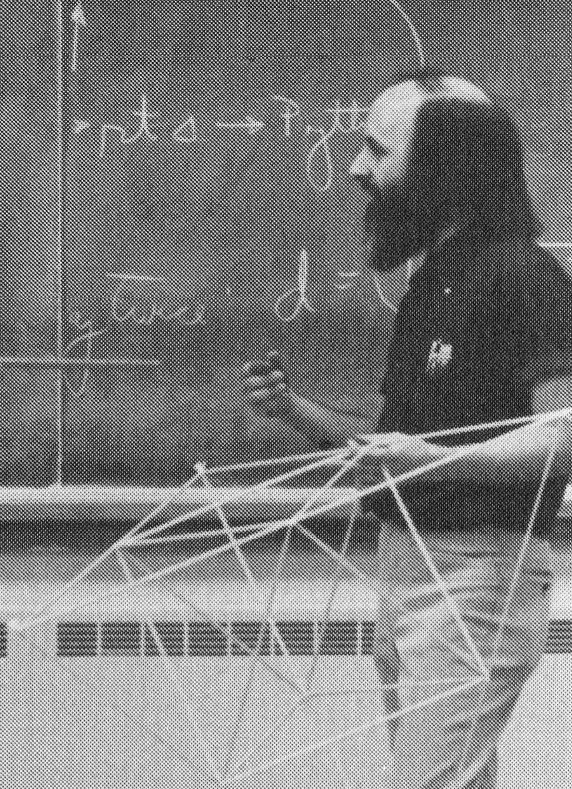
Bernie Goudreau, a much-beloved math teacher from Nassau County, Long Island, inspired and excited thousands of students. He taught at Syosset High School from Fall 1965 until the early 1980s. This exhibit is dedicated to the memory of Bernie Goudreau by the generousity of multiple contributors whose donations were matched by Andy Davidson.

Pradeep Mutalik is a scientist at the Center for Medical Informatics at Yale University. He has broad interests and expertise in fields ranging from medical informatics, to animal behavior, to mathematics and puzzles.
The Slocum Puzzle Collection of the Lilly Library at Indiana Univeristy Bloomington houses over 30,000 puzzles. Jillian Hinchliffe, curator of the Slocum Collection, and Jerry Slocum contributed to useful conversations regarding the puzzles featured in the Enigma Café.